Long-term investments that pay off for decades
Next week, the Finnish Parliament will begin debating the Government’s budget proposal. Once again, the discussion will focus on economic growth, investments and Finland’s future competitiveness. Data centres, green transition infrastructure and energy investments are certain to feature prominently in the debate, and rightly so. Yet one important question remains: are we paying enough attention to intangible capital?
Throughout the discussions at this summer’s SuomiAreena, a common theme kept emerging. Industries built on intangible assets are becoming increasingly important, yet their growth potential remains underrecognised in Finland’s economic policy debate. As part of the Investments for Finland programme, Riku Salomaa of Nordic Music Partners, Sara Nordberg of Take Two Studios, Tuomo Puumala of Veikkaus and I discussed how Finnish stories, creativity and expertise can succeed on the global stage.
In another panel, we explored the role of intangible capital in driving growth together with Member of Parliament Inka Hopsu, Roope Lehtinen of Fire Monkey Oy and Juho Romakkaniemi of the Finland Chamber of Commerce. The message from both discussions was clear: the importance of industries built on intangible assets continues to grow, but their potential is still not fully recognised in Finland’s growth agenda.
A new song can generate income for decades.
The music industry provides a compelling example. A new song is not merely a cultural product. It is an intellectual property asset that can generate income for decades. A single successful track can continue to create value long after its original release through royalty income, licensing income, synchronisation fees, international exploitation and new business opportunities. Unlike physical investments, intangible assets can increase in value over time and scale globally with virtually no limits.
The value of music rights is also evident in international markets. In recent years, investors have paid up to billions of pounds for individual music catalogues. This reflects a growing recognition of intellectual property rights as long-term investment assets. In Finland, however, intellectual property rights are still too often viewed through the lens of cultural policy rather than economic policy. From a growth perspective, they are fundamentally the same thing: assets that generate value.
Promoting growth in the creative industries is not the responsibility of a single ministry or sector alone. If Finland wants to increase exports in music, audiovisual content and gaming, closer cooperation is needed between economic policy, export promotion and international relations. The creative industries are not merely part of the cultural sector. They are also an integral part of Finland’s exports, innovation economy and international competitiveness.
Our economic structures must also be examined from a new perspective. Finland’s economic system has largely been built around physical investments, yet an increasing share of business value is now created through intellectual property rights, data, software, brands and content. If we are serious about unlocking growth from intangible capital, we must ask whether current financing and tax structures provide sufficient incentives. If they do not, bottlenecks must be removed and structural weaknesses addressed.
When looking for new sources of growth, we should focus not only on what is produced in Finland, but also on what is owned in Finland.
From the perspective of the music industry, however, the issue extends far beyond music alone. At its core, it is about understanding how value creation is changing. The most successful companies of the future may not be those that own the most machinery, tractors or buildings. They will be the ones that own the best ideas, the strongest intellectual property rights, the most compelling content and the stories with the greatest international appeal.
As Parliament begins next week’s budget debate, one thing is worth keeping in mind: when looking for new sources of growth, we should focus not only on what is produced in Finland, but also on what is owned in Finland.
The future of the creative industries cannot be built on grants and subsidies alone. It depends on competitive businesses, well-functioning copyright systems, international demand and the ability to turn Finnish creativity into sustainable long-term business.
That is precisely why intangible capital must play a much more prominent role in Finland’s growth policy.
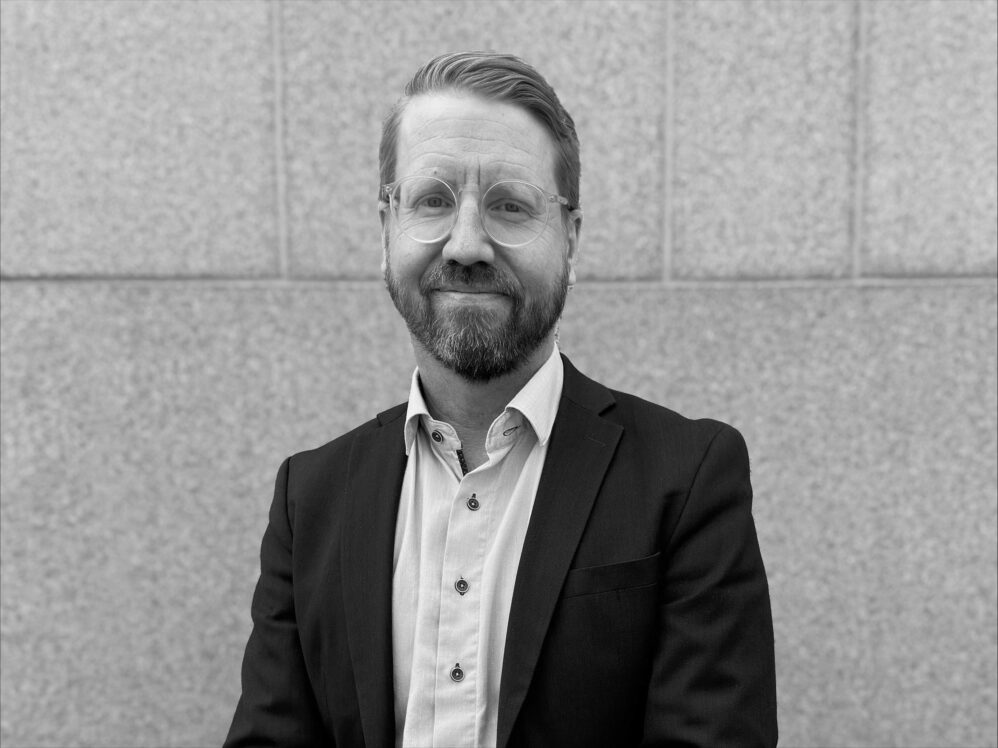
The author is Director of Communications and Public Affairs at Gramex.