We must learn to speak the language of both culture and the economy at the same time
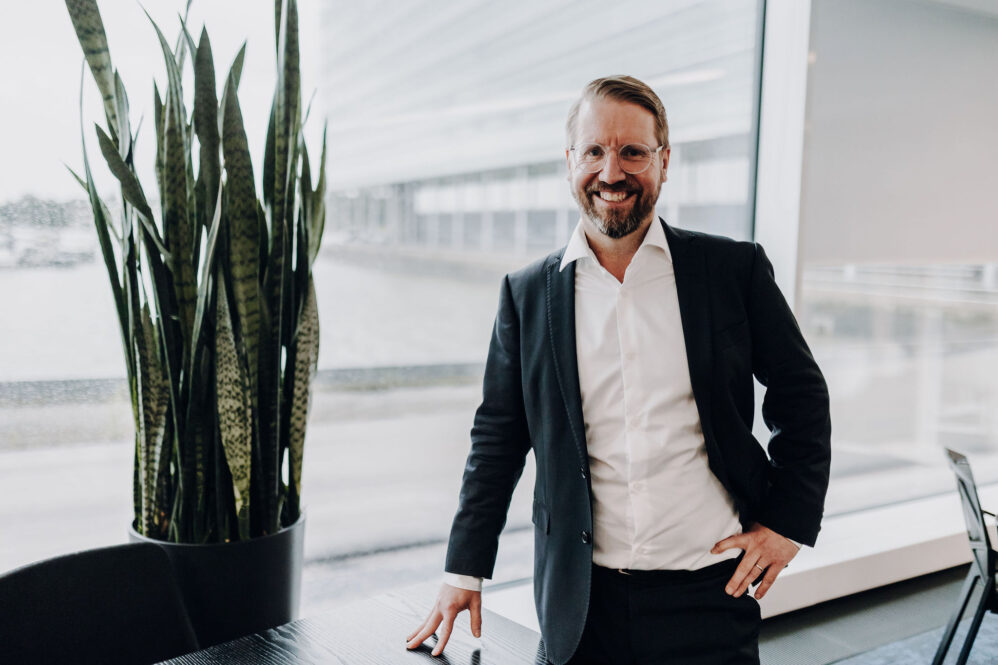
I was in Brussels two weeks ago as a guest of the office of MEP Maria Guzenina. Joining the visit were 22 experts representing a wide range of cultural and creative sector organisations. One of the key observations from the trip concerned the way we talk about culture, the creative industries, and music.
Culture and business built on intangible assets are not one and the same. Yet neither are they opposites. We can discuss culture in terms of the intrinsic value of art, education, accessibility, and participation. At the same time, we can talk about creative work, copyright, intellectual property rights, entrepreneurship, and international growth. Often, we are talking about the very same content, but from different perspectives.
That is exactly why we need to be more precise about what we are discussing at any given moment. When we talk about access to culture, we are having a fundamentally different conversation than when we discuss copyright, intangible assets as the foundation of business, or music exports. Both conversations are essential, but they involve different objectives, needs, policy instruments, and decision-makers, often different people altogether.
From a business perspective, this distinction is crucial. Copyright is not merely a matter of cultural policy. It is also about economic policy, industrial policy, and competitiveness. The value of music is created through creative work, but its impact can also be seen in exports, business activity, tax revenue, and economic growth.
In Brussels, I was left with the impression that industries built on intangible assets are still searching for their place within the EU’s policy framework. Culture naturally finds its home within cultural policy, but business based on intellectual property belongs just as much in discussions around the Single Market, trade, competitiveness, and industrial policy.
At present, the European competitiveness debate is dominated by the green transition, defence industries, critical minerals, digital platforms, and artificial intelligence. All of these are, of course, vital. At the same time, we should recognise that industries built on intangible assets are among the fastest-growing sectors across OECD economies. Europe’s competitiveness will not be built solely on factories, data centres, and infrastructure. It will also depend on content that people consume and value, including music, games, films, audiovisual productions, software, brands, and other intellectual property rights.
Artificial intelligence emerged, unsurprisingly, in almost every discussion. It is also high on the agenda of Finland’s own Commissioner, Henna Virkkunen. From the perspective of the creative industries, however, the most important issue is not a constant stream of new regulation but clear and functioning rules. Strong copyright protection, the right of rights holders to authorise or prohibit the use of their content, market-based licensing solutions, transparency, and effective enforcement of agreed rules provide the most sustainable foundation in a world where technology advances far faster than legislation.
After Finland’s parliamentary elections in spring 2027, attention will naturally turn to the programme of the next government. At the same time, we should already be looking ahead to the 2029 European elections. Many of the most significant decisions affecting the music industry, copyright, artificial intelligence, and the digital economy are made at the EU level. Increasingly, it is in Brussels that the future operating environment of Finland’s music sector is being shaped. We need to have a stronger voice there as well. To succeed, we must learn to speak both the language of culture and the language of business. The value of music is created through creative work, but its significance extends far beyond cultural policy.
The visit was organised jointly by Kulta ry and the Finnish Cultural Institutes. My sincere thanks to the organisers for putting together such a successful programme.
The author is Director of Communications and Public Affairs at Gramex.