Pihlaja: “Hard Work Pays Off, but Enjoying the Journey Matters Most”

Pihlaja, born Titta Pihlajamaa, dreamed of making music her profession already as a teenager. At the time, she was studying in the music programme at Kaleva Upper Secondary School, writing her own lyrics and developing them into demos with the help of her music teacher. At the same time, she was eagerly trying to figure out how to get her music heard by others.
“I had no connections to the music industry whatsoever. There was no one in my immediate circle who could explain how an artist’s career is actually built in practice. I entered the industry completely from scratch,” Pihlaja laughs.
Although the goal was clear, the path towards it was not mapped out in advance. At times, it was difficult to find the right direction.
“Often I had no idea what I should be doing. Many things felt like pure trial and error.”
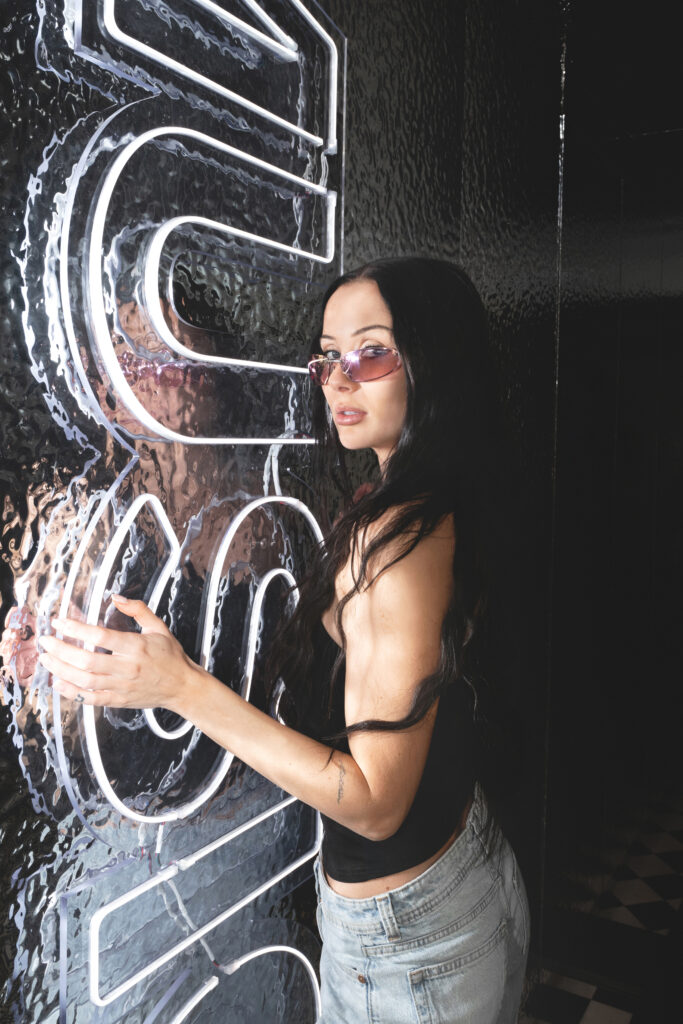
The most challenging part was finding the right people to connect with.
“I persistently bombarded people in the music industry on Facebook and did my best to network. Then I met Kiro.”
Producer Kiro, also known as Johannes Naukkarinen, was, like Pihlaja, at an early stage of his career at the time, and together they began working on Pihlaja’s first proper demos.
All that remained was to find a channel through which the demos might reach the ears of industry gatekeepers.
“When I heard that an acquaintance of mine was doing an internship at a record label, you could say I practically forced them to play my demos there,” Pihlaja laughs.
An artist’s career requires long-term commitment
Persistence eventually paid off and led Pihlaja to a recording contract.
“The drive to create was immense, but at the time I didn’t yet have much in the way of skills or experience.”
Now, both have been built up over the course of a decade.
“Honestly, it’s only now that I feel I might actually be pretty good at this,” Pihlaja reflects.
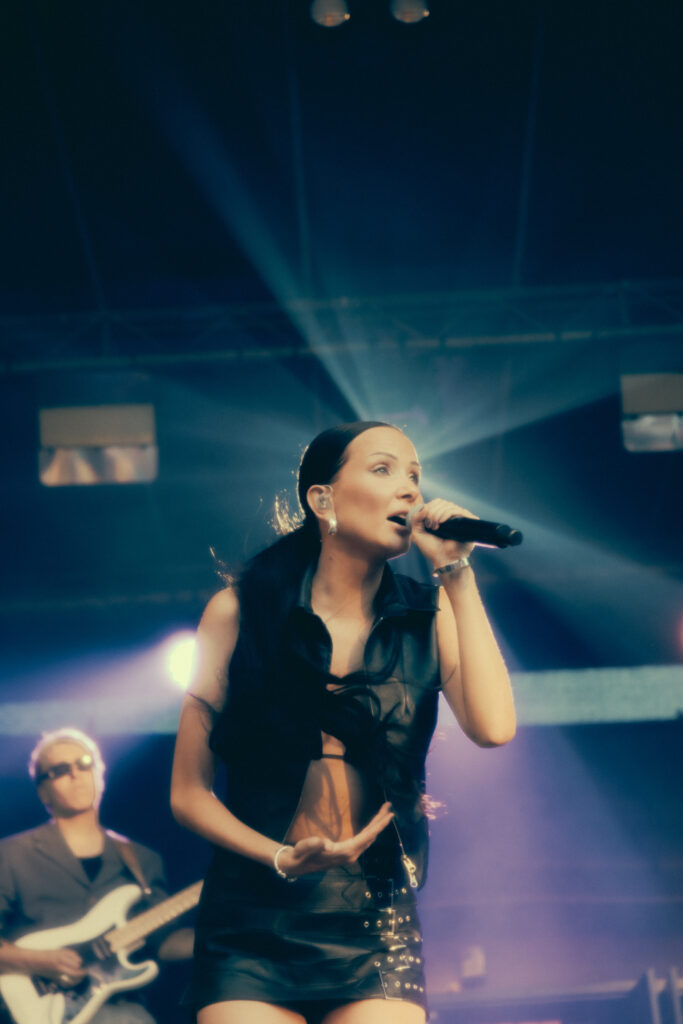
Over time, she has gained not only confidence in her own work but also an understanding that a long career is built layer by layer. Assembling the bigger picture requires long-term commitment.
“There are no quick wins in this industry. If there are rapid rises, there are also rapid falls. Persistence pays off, but the most important thing is learning to enjoy the journey.”
And that is exactly what Pihlaja has done. Although many miles have been logged, her drive to create has not faded.
“Sometimes I still stop and wonder whether this is really my life—that I get to do this for a living. That’s when you know you’re doing the right things.”
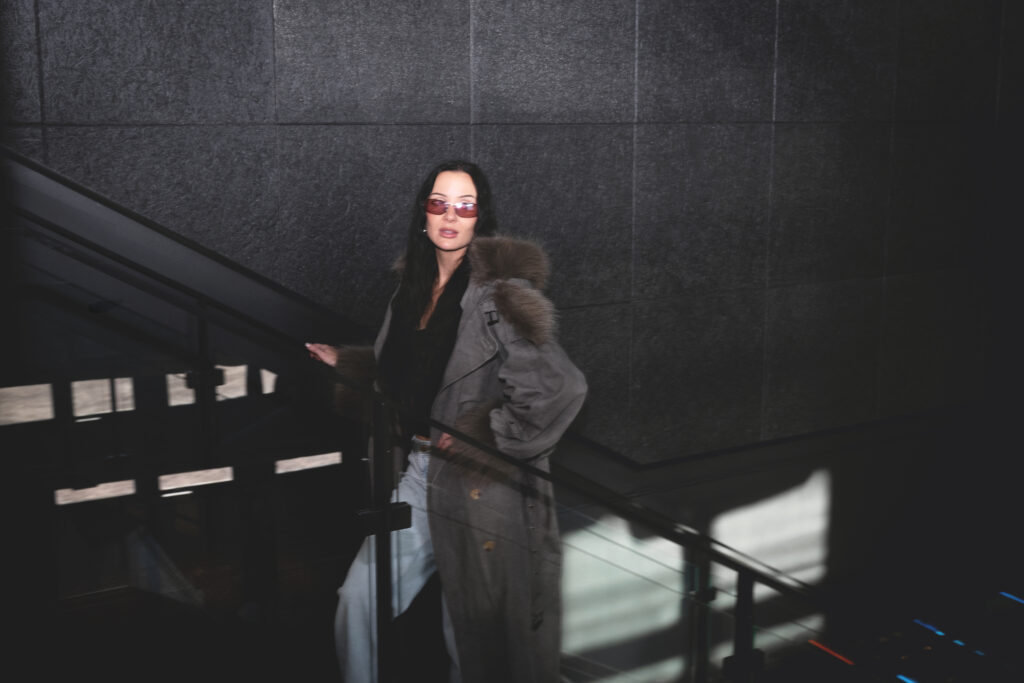
Copyright enables artistic freedom
There are other moments in an artist’s life that can still feel surreal years later.
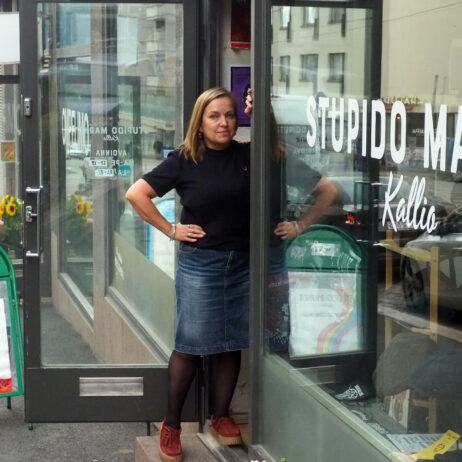
“It’s always a pleasant surprise when a Pihlaja song comes on at an S‑Market. At the same time, it feels like you never quite get used to hearing your own music in unexpected places,” Pihlaja says.
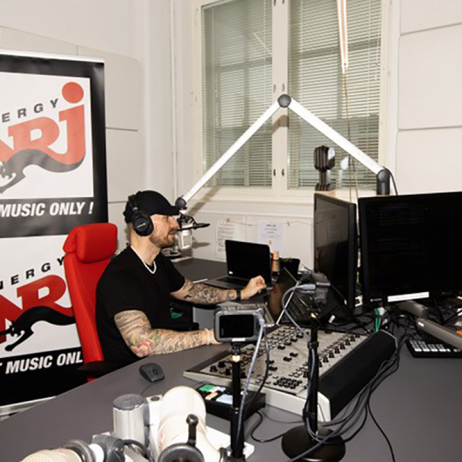
Over the years, Pihlaja’s music has been played not only in shops but also on radio stations and in television programmes. These uses generate copyright remuneration, which Pihlaja says forms a significant part of her income.
“Copyright remuneration brings continuity to an industry that is insecure in many ways. If something unexpected were to happen, I have a catalogue that would continue to generate income for me, at least for a while.”
When a break from live performances temporarily reduced her income from gigs, copyright distributions provided much-needed stability.
“Copyright ensures that our cultural sector stays alive. It gives artists the opportunity to make artistic choices—for example, to take a break from touring in order to focus on working on an album.”
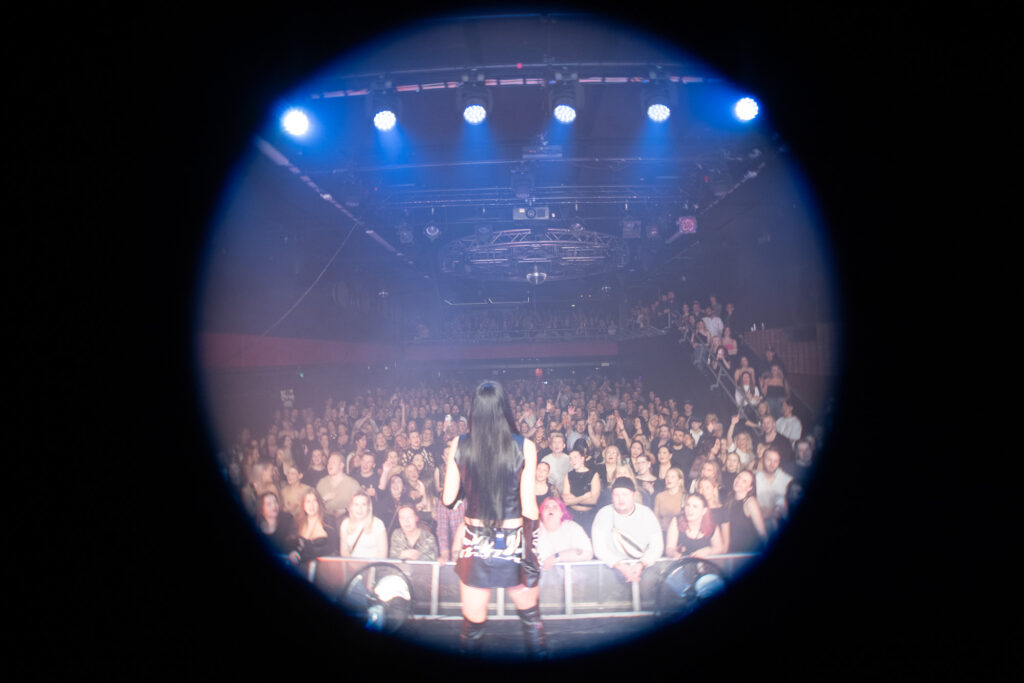
At a good place
Pihlaja is currently working on the fourth album of her career, with a first taste just released in the form of the new single Pokaali.
Well suited for club floors and workout playlists alike, the track brings out a more playful side of an artist who thrives on contrasts.
“My recent releases have shown a more sensitive side of Pihlaja, but now it was time to have some fun. Every album needs at least one song with a twinkle in its eye.”
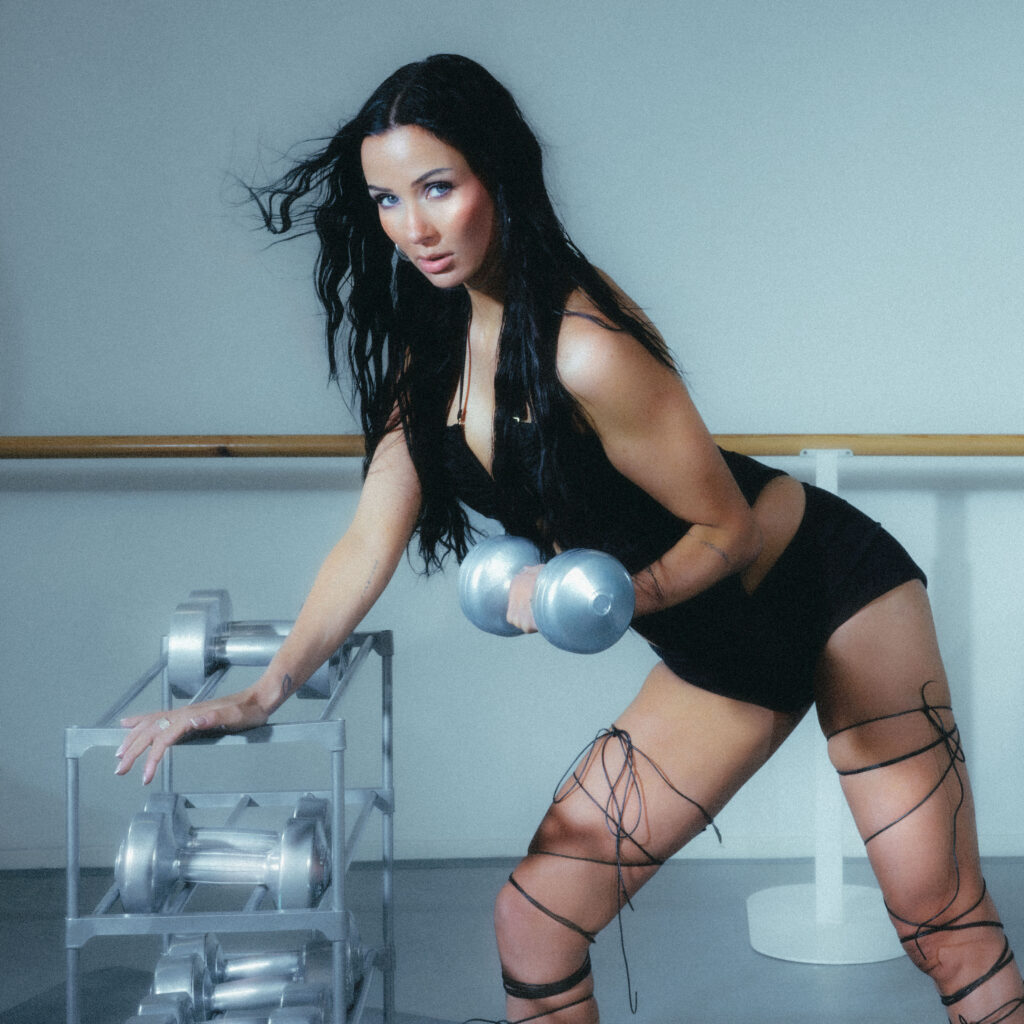
The upcoming album also features contributions from several other songwriters alongside Pihlaja herself.
Unlike at the beginning of her career, she no longer has to search for solutions to creative challenges entirely on her own.
“I love doing co-writing sessions. It’s wonderful to work with new people. Through other writers, you always learn something new about yourself as well.”
At the same time, moments of writing alone—of pouring emotions onto the page in solitude—remain just as important.
“Music has always been a deeply personal form of therapy for me, and a part of my identity. I hope I get to do this professionally for as long as it feels right. Right now, I’m in a really good place on this journey—but I still have a lot left to show.”