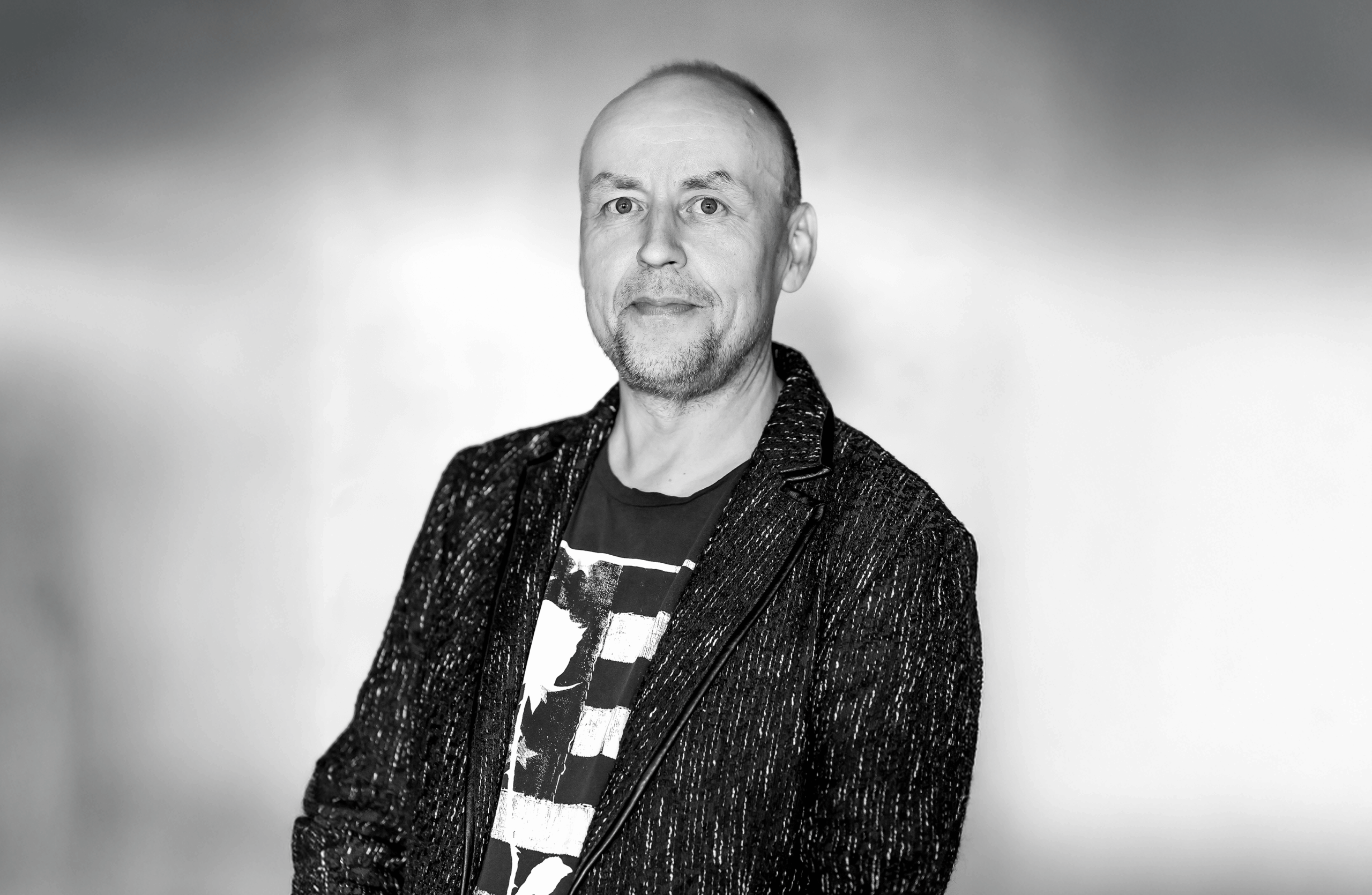
Lauri Ogawa: “It has been a privilege to be part of building a culture that brings people together”

We asked him what the past few years have taught him about the music industry and what kind of legacy he hopes to leave behind.
How would you describe your journey with GT Music Licences?
Just under three years as CEO of GT Music Licences has been an intense and instructive period of change. During this time, we have managed to increase both the compensation income to rights holders and operational efficiency despite a challenging market.
We have moved from a product-centric to a customer-centric B2B solution selling model and strengthened our position as a partner for corporate use of music. At the same time, we have built new collaborative models with the Music Harbour communities, the AV industry and international research and copyright partners.
In parallel, we have also deepened the cooperation between Teosto, Gramex and GTM, with the aim of improving the customer experience and strengthening joint services in a changing environment.
What have you learned from working with music industry players, rights holders and stakeholders?
During my more than 16-year media career, I have worked closely with various music industry players and rights holders on issues such as the subscription, distribution and marketing of AV content.
In particular, the work on the development of the AV Music pilot service highlighted how fragmented the music licensing field still is and how much work needs to be done to bring together AV subscribers, producers and music rights holders. There was a clear market demand for AV Music, and we were delighted to see its story continue at the turn of the year, made possible jointly by NCB, Teosto and Gramex.
On the public performance side, I noticed that there was an unnecessarily long distance between rights holders and music users. I therefore felt it was important to build a bridge between them, not only in client work but also, for example, in the various implementations of theMusic at Work campaign.
The campaign will bring the value of man-made music closer to everyday life and, in the long term, strengthen the brand and common mission of the sector as a whole.

The music industry and licensing are constantly changing. What do you think is the most important change at the moment and how should it be reflected in the work of actors like GT Music Licensing?
The disruption caused by technological developments has accelerated the transformation of the music industry and licensing in a very short period of time. International and domestic new players are increasingly challenging traditional structures and operating models. At the same time, media and music industry power is increasingly concentrated in the hands of international hubs and giant corporations.
However, as a small linguistic and cultural area, Finland holds its own in terms of domestic content consumption, audience relations and business cooperation. GTM’s role and value is to be at the customer interface, to understand business needs and to facilitate, enhance and develop the use of music by businesses.
New options for copyright-free music may attract operators seeking cost savings in the short term. However, I am confident about the future: national Living Lab studies in different markets and the experience of our customers, such as Kuntokeskus Liiku, show that music that is made, recognised and emotive by people has a superior position in terms of customer and staff experience as well as business.
What is the most important thing for music operators to understand about the direction of the industry right now?
Operators should accept the structural change in the business environment and ensure future competitiveness both locally and internationally. Customer orientation, bold development and cooperation between different stakeholders – including across traditional industry boundaries – are key.
Where do you see the biggest opportunities and risks for music licensing in the near future?
If you stick to existing structures and defend legacy, you risk being overtaken by market change and falling off the development track. This could lead to a loss of market leadership and a rebalancing.
At the same time, changes in public debate and public opinion suggest a more critical attitude towards, for example, AI-generated content. This further increases the appreciation of human creative work.
What kind of mark do you hope to leave on GT Music Licences?
I hope to have left GTM with a culture where every person-to-person customer encounter – regardless of the service channel – is seen as a value-added competitive advantage and an opportunity for additional sales and retention. I want to believe that today’s organisation will be seen as a more approachable partner, responding to customers’ needs in a customer- and solution-centric way. If I have been able to instil positive enthusiasm and a sprinkling of experience business stardust into people’s everyday lives, I have succeeded in what I set out to do.

What is the one thing you hope GT Music Licences will continue to nurture in the future?
The values workshop held at the beginning of the business strategy work summed up what is most important to our staff: customer first, together, forward and open. I hope that these values will remain a compass for future management and staff – helping them to navigate through both growth and challenging times.
It has been a privilege to be part of building a culture that brings people together, reinforces a shared mission and energises the work. As GT Music Permits celebrates its 10th anniversary this autumn, I hope the organisation will carry with it the same courage to renew itself and the ability to see the importance of music ever more clearly.
And I would be delighted if the rotating trophy that was won back last year in the traditional copyright tournament would remain in the office’s place of honour.
What are you most looking forward to in the future?
I am now taking a short break with my family to recharge my batteries and look at the next step in peace. I am looking for a role where I can combine strategic leadership, creative ecosystems, technology opportunities and customer-centric development.
I want to build value in environments where people, ideas and data meet – and where compelling content, stories and experiences create meaning. I’m open to opportunities that challenge me to grow to the next level.
What is the most important lesson you will take with you into your future jobs?
I appreciate more and more the creative work that people do, the imperfect cracks in it, the shared memories and emotional experiences that give unique meaning and value to moments. As global content supply grows exponentially, I believe authenticity and humanity will become increasingly important values.
In my role, I learned a lot about what cross-border collaboration and change management require – and, at best, enable. Embedding strategy work with my own organisation of 20 people and developing a shared culture among the nine member communities of the Port of Music are experiences I will draw from in my future roles.